Emergency Funds: Why You Need One and How to Build It (2026 Guide)
Life can throw curveballs: a sudden car repair, an unexpected medical bill, or a job loss. An emergency fund is your financial safety net, so you’re ready for the unexpected without reaching for a credit card. This post covers why you need an emergency fund, how much to save, the best places to keep it, and a simple plan to build one, even on a tight budget.
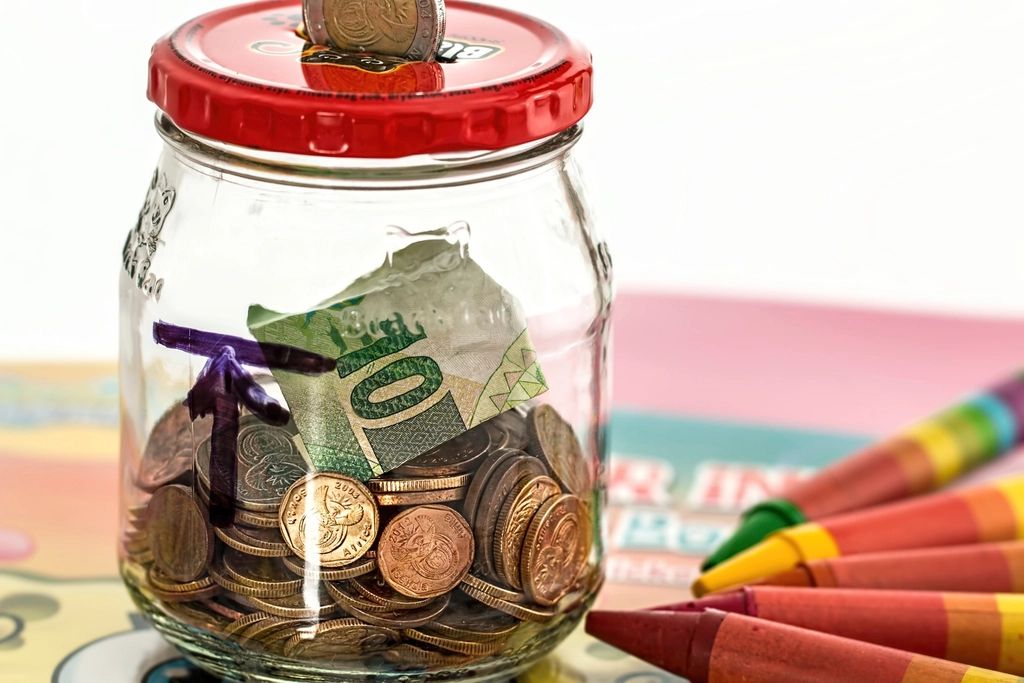
Key Takeaways
- An emergency fund is money set aside only for true emergencies, like job loss, car repairs, or medical bills.
- Start with $500–$1,000, then build toward 3–6 months of essential expenses.
- Keep it in a high-yield savings account: safe, FDIC-insured, and easy to reach, but separate from your checking.
- Automate small transfers every payday. Consistency matters more than the amount.
Table of Contents
What Is an Emergency Fund?
An emergency fund is a dedicated pool of money set aside for unexpected expenses, like fixing a broken appliance or covering bills during a job transition. It’s your first line of defense against financial chaos.
It is not a vacation fund, a holiday shopping fund, or money for a new phone you’ve been eyeing. Those are planned expenses, and they deserve their own savings goals. Your emergency fund is only for things that are unexpected, necessary, and urgent.
$1,000
Starter emergency fund goal
3–6 mo.
Of essential expenses for full protection
~4%
What many high-yield savings accounts pay
Why You Need an Emergency Fund
Without an emergency fund, a $1,000 surprise could force you onto a credit card charging around 20% APR or push you to raid your retirement savings, both of which can set you back years. With one, you gain peace of mind knowing you can handle life’s surprises without derailing your goals.
Beyond avoiding debt, an emergency fund lowers stress. It’s the difference between calmly paying for a new tire and panicking over how to cover rent. For military members, freelancers, tradespeople, and anyone with unpredictable income, this safety net is even more important.
- It keeps you out of high-interest debt when something breaks.
- It protects your investments, so you never have to sell during a market dip to cover a bill.
- It protects your credit score, since you won’t miss payments when money gets tight.
- It gives you options, like leaving a bad job or handling a layoff without panic.
How Much Should Be in Your Emergency Fund?
The general rule is to save 3–6 months of essential living expenses: rent or mortgage, utilities, groceries, insurance, transportation, and minimum debt payments. If your essentials cost $2,000 a month, aim for $6,000–$12,000.
| Goal | How much | Who it’s for |
|---|---|---|
| Starter emergency fund | $500–$1,000 | Everyone, especially if you have debt to pay off |
| Standard emergency fund | 3–6 months of expenses | Most households with stable income |
| Extended emergency fund | 6–12 months of expenses | Single-income households, freelancers, commission or seasonal workers, people with dependents |
Your target depends on your situation. A stable job with two incomes might mean three months is plenty, while a variable income could justify nine months or more.
How to Calculate Your Number
- Add up your essential monthly expenses (skip wants like dining out and streaming).
- Multiply by the number of months you want covered (start with 3).
- That’s your emergency fund goal. Break it into smaller milestones, like $1,000, then one month, then three.
Emergency Funds for Irregular or Seasonal Income
If your paycheck changes from month to month, a cushion matters even more. That includes freelancers, gig workers, commission sales, seasonal trades like construction and landscaping, and military members juggling drill pay, deployments, or a civilian job.
- Aim higher: Target six to twelve months of essential expenses instead of three.
- Budget on your lowest month: Plan your spending around what you earn in a slow month, and treat anything extra as savings.
- Save more in busy seasons: Put a bigger share of strong months into savings to carry you through the slow ones.
- Separate taxes: If you’re self-employed, keep tax money in its own account so it never gets mixed up with your safety net.
A bigger cushion turns a slow season from a crisis into a normal part of the year. It also means you can say no to a bad gig or a risky job offer because you are not desperate for the next paycheck. That kind of breathing room is hard to put a price on.
Where to Keep Your Emergency Fund
Your emergency fund must be safe, easy to reach, and separate from your everyday spending. Here are the best options in 2026:
| Option | Pros | Cons |
|---|---|---|
| High-yield savings account | Around 4% APY, FDIC-insured, transfers in 1–2 days | Rates can change |
| Money market account | Competitive rates, sometimes check-writing | May have higher minimums |
| Traditional bank savings | Instant access at your bank | Often pays close to 0% |
| CDs | Locked-in rate | Penalties for early withdrawal |
| Stocks or crypto | Higher long-term growth | Can drop right when you need the money |
- High-yield savings accounts: The best home for most emergency funds. Many online banks pay around 4% or more, far better than the near-zero rates at many traditional banks, and deposits are insured up to $250,000 by the FDIC.
- Money market accounts: Similar to high-yield savings, and some allow limited check-writing for quick access. Look for no fees and a competitive rate.
- What to avoid: Don’t keep your emergency fund in stocks, mutual funds, or cryptocurrency. Volatility could mean the money isn’t there when you need it. CDs can work for part of a large fund, but early-withdrawal penalties make them a poor fit for the whole thing.
Choose an account with no monthly fees and easy online transfers. Keeping it at a different bank from your checking account adds a little friction, which helps prevent accidental spending. Just make sure you can move money to checking within a business day or two, so the cash is ready when a real problem shows up.
How to Build Your Emergency Fund
Building an emergency fund takes discipline, but it’s very achievable with consistent effort. Follow these steps:
1. Set a Clear Goal
Start with a small target, like $500 or $1,000, then work toward 3–6 months of expenses. Milestones keep you motivated.
2. Automate Your Savings
Set up automatic transfers, say $100 a month or $25 a week, from checking to your emergency fund account right after payday. Treat it like a bill you owe your future self.
3. Cut Non-Essential Spending
Skip a few small luxuries, like one coffee shop visit a week or an unused subscription, and redirect that money to your emergency fund. Twenty dollars a week adds up to over $1,000 a year.
4. Use Windfalls Wisely
Send tax refunds, bonuses, side hustle income, and cash gifts straight to your fund. One good tax refund can get you most of the way to a starter emergency fund.
5. Track Your Progress
Check your balance monthly to stay motivated, and adjust contributions if your income or expenses change.
How Fast Can You Build an Emergency Fund?
Even small contributions add up. Here’s how long it takes to reach common goals:
| Monthly savings | $1,000 starter fund | $6,000 (3 months at $2,000/mo) |
|---|---|---|
| $50 | 20 months | 10 years |
| $100 | 10 months | 5 years |
| $250 | 4 months | 2 years |
| $500 | 2 months | 1 year |
Before interest. A high-yield account will get you there a little faster.
Tip: Saving $50 a month gets you $600 in a year, enough to cover many minor emergencies. Start where you are and increase the amount whenever you get a raise.
What Counts as an Emergency?
Before you dip into your emergency fund, ask yourself three questions: Is it unexpected? Is it necessary? Is it urgent? If the answer to all three is yes, use the fund.
| Good reasons to use it | Not an emergency |
|---|---|
| Job loss or a big cut in hours | A sale or “limited-time” deal |
| Car repair you need to get to work | Vacation or concert tickets |
| Medical or dental bills | Holiday gifts (plan for these instead) |
| Emergency travel for a family crisis | A new phone when yours still works |
| Urgent home repair, like a broken furnace | Routine bills you knew were coming |
After you use it, make a plan to refill it. Unexpected expenses aren’t a failure. They’re exactly why your emergency fund exists.
Emergency Fund vs. Sinking Funds
A lot of “emergencies” are actually predictable expenses that just don’t happen every month. That’s where sinking funds come in:
- An emergency fund covers the truly unexpected: job loss, a medical bill, a blown transmission.
- Sinking funds are small savings buckets for costs you know are coming: car registration, annual insurance premiums, holidays, birthdays, vacations, or new tires.
To set one up, estimate the yearly cost, divide by 12, and save that amount each month in a separate account or sub-account. Many online banks let you create multiple labeled savings “buckets” for free. Using sinking funds keeps your real safety net intact for real surprises.
A Real-Life Example
Meet Chris, who takes home $3,200 a month and has essential expenses of about $2,200. Here’s how Chris builds a safety net in about two years:
- Months 1–3: Sets up an automatic $150 transfer every payday (twice a month) into a high-yield savings account and puts a $600 tax refund toward it. Starter fund of $1,000 reached in about two months.
- Months 4–12: Keeps the $300 a month going and adds a few side-job checks. Balance reaches about $4,000.
- Months 13–24: Adds half of a raise to the transfer. Balance passes $6,600, or three months of essential expenses.
Along the way, Chris uses the fund once for a $700 car repair, refills it within three months, and never touches a credit card. That’s exactly how a safety net is supposed to work.
How to Refill Your Safety Net After Using It
Tapping your savings for a real emergency is a win, not a setback. The money did its job. Now the goal is to rebuild it quickly so you’re covered for the next surprise:
- Pause extra goals for a few months. Temporarily redirect money from vacation savings or extra debt payments back into your cushion.
- Raise your automatic transfer. Even an extra $25 a paycheck speeds things up.
- Trim your budget for 60–90 days. Fewer takeout meals and a no-spend weekend or two can free up a few hundred dollars.
- Sell things you no longer use. Old electronics, tools, or gear can bring in quick cash.
- Use the next windfall. A bonus, tax refund, or overtime check can refill it in one shot.
Once you’re back to your target, return everything to normal. Then take a moment to ask whether the expense could have been planned for. If so, start a sinking fund so it doesn’t catch you off guard next time.
Should You Build an Emergency Fund or Pay Off Debt First?
It’s one of the most common questions, and the answer is usually both, in order:
- Save a starter emergency fund of $500–$1,000.
- Get any employer 401(k) match.
- Pay off high-interest debt like credit cards.
- Build your full emergency fund of 3–6 months.
- Invest for the long term. Not sure where extra money should go? Read our guide on whether to save or invest.
The starter fund keeps new emergencies from landing back on your credit card while you pay it down.
Common Emergency Fund Mistakes
- Keeping it in checking: It’s too easy to spend by accident.
- Earning nothing on it: A traditional savings account at near 0% loses value to inflation every year.
- Investing it: A market drop could shrink it right when you need it.
- Using it for non-emergencies: Plan for predictable costs separately.
- Never refilling it: Restart your automatic transfers right after you use it.
For more, see our list of common money mistakes and how to avoid them.
Quick Tips for 2026
- Start small: If money is tight, begin with $25–$50 a month. Consistency matters more than the amount.
- Use budgeting tools: A spreadsheet or apps like YNAB or Monarch Money can help you find extra cash to funnel into your fund.
- Reassess every year: If your rent or other expenses go up, raise your target to match.
- Compare rates: Savings rates change. Check every few months that your account is still competitive.
Frequently Asked Questions
How much should I have in my emergency fund?
Most experts recommend three to six months of essential living expenses. Start with a starter emergency fund of $500 to $1,000, then build toward your full goal. Single-income households and people with irregular income may want six to twelve months.
Where is the best place to keep an emergency fund?
A high-yield savings account is the best place for most people. It is FDIC-insured, earns much more interest than a traditional savings account, and lets you transfer money to checking within a day or two.
Should I invest my emergency fund?
No. Your emergency fund needs to be there when you need it, and investments like stocks can drop in value at the worst possible time. Keep it in a safe, easy-to-reach account and invest money beyond it.
Is $1,000 enough for an emergency fund?
$1,000 is a great starter emergency fund and covers many small emergencies, like a car repair. For larger events like a job loss, you will want three to six months of essential expenses.
How do I build an emergency fund on a low income?
Start very small, even $10 to $20 a week, and automate it. Send windfalls like tax refunds straight to savings, cut one or two non-essential expenses, and celebrate small milestones along the way.
Should my emergency fund be in a separate account?
Yes. Keeping it separate from your everyday checking account makes it less tempting to spend and makes it easy to see exactly how much you have set aside. Many people use a high-yield savings account at a different bank for this reason.
Do couples need one emergency fund or two?
It depends on how you manage money. Many couples keep one shared fund sized to cover their combined essential expenses. If you keep finances mostly separate, each person may want their own smaller cushion as well.
Final Thoughts
An emergency fund isn’t exciting, but it’s the foundation everything else in your finances is built on. Start with $500, automate your savings, and keep going until you have three to six months set aside. The peace of mind is worth every dollar.
This article is for educational purposes only and isn’t financial advice.

3 Comments